Bringing Health Closer to You
Developed through direct engagement with residents across Southwark, the project explored how Tenants and Residents Association (TRA) spaces and other local venues are currently being used, alongside where gaps exist in access to health and wellbeing support. Through surveys, conversations, and targeted community engagement, it became clear that while many residents are motivated to improve their health, a significant number are not aware of the support, services, or community spaces available to them locally.
This report is grounded in feedback from 97 residents and highlights how better use of existing community spaces can help bring health support closer to everyday life. Findings show that trusted, familiar environments can play an important role in prevention, early intervention, and community connection — particularly for residents who may feel disconnected from traditional healthcare settings.
The work aligns closely with the NHS England 10 Year Health Plan, particularly the shift from hospital to community and from treatment to prevention. It also supports the ambitions of the Southwark 2030 Strategy to reduce inequalities and strengthen community wellbeing, alongside the Premises Project led by Community Southwark, which focuses on improving access to and use of local community spaces.
Headline Survey Results:
- 97 residents took part in the survey
- 59% were not aware of TRA services or activities
- Over 90% were interested in monthly community health events
- 71 residents supported the introduction of a Community Health Ambassador
- Top health interests identified:
- Exercise and physical activity (27.9%)
- Nutrition and healthy eating (27.5%)
- Mental wellbeing and stress management (26.7%)
- Managing long‑term conditions (14.7%)
- More than half of respondents had never attended a TRA meeting or event
Key Themes Identified:
The findings from the Bringing Health Closer to You engagement highlight several interconnected themes that together paint a clear picture of community need, opportunity, and direction.
1. Awareness and Communication Gaps
Over half of respondents were not aware of TRA services, which directly impacts participation. This points to communication challenges rather than a lack of interest.
2. Demand for Preventative Health Support
Residents expressed clear interest in activities focused on staying well, managing stress, improving nutrition, physical activity, and managing long‑term conditions.
3. Inequalities in Engagement
Participation varied across postcode areas, with lower engagement in SE22, SE24, and SE17, highlighting the need for targeted outreach.
4. Importance of Trusted Local Spaces
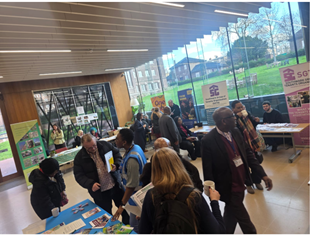
Engagement at Paxton Pantry demonstrated how familiar venues can encourage open conversations about health and wellbeing.
5. Community‑Led Approaches Work
Residents responded positively to initiatives that were visible, informal, and rooted in their local area.
Why This Matters?
This report demonstrates that addressing health inequalities does not always require new infrastructure. Many of the foundations already exist within communities. By improving awareness, strengthening communication, and activating trusted local spaces, there is a clear opportunity to deliver health support closer to home and support better outcomes for residents.
Whether you are a resident, community leader, voluntary sector organisation, or stakeholder, this report offers insight into what is happening on the ground — and where opportunities exist to work collaboratively to strengthen community health and wellbeing across Southwark.
Readers are encouraged to explore the full report and be part of the ongoing conversation.